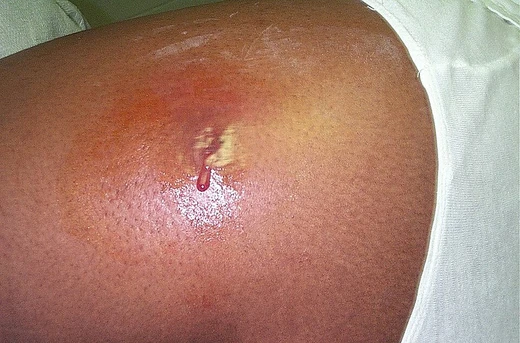
Fungal infection
Fungal infections affect over a billion people yearly worldwide.

Fungal infection, also known as mycosis, is a disease caused by fungi. It is traditionally divided into superficial, subcutaneous, and systemic types, affecting the skin, tissues beneath the skin, or internal organs.
- field
- Infectious disease
- known_for
- Causing superficial, subcutaneous, and systemic infections in humans and animals
- affected_population
- Over one billion people annually
Lore & Background
Fungal infections occur after spores are breathed in, come into contact with skin, or enter the body through a cut, wound, or injection. They are more likely in people with weak immune systems, including those with HIV/AIDS, diabetes, or those taking steroids or cancer treatments. Fungi that cause infections include yeasts, molds, and fungi that can exist as both a mold and yeast. Candida albicans can live in people without symptoms and cause both mild candidiasis in healthy people and severe systemic candidiasis in those who cannot fight infection.
Reader's Guide
They range from common superficial infections like tinea and yeast infections to serious systemic diseases such as cryptococcosis, aspergillosis, and mucormycosis. Diagnosis is based on signs, symptoms, microscopy, culture, and sometimes biopsy or medical imaging. Treatment involves antifungal medicines, often as creams, oral medications, or injections, and occasionally surgical removal of infected tissue. Several fungal infections, including sporotrichosis, chromoblastomycosis, and mycetoma, are neglected. The COVID-19 pandemic has been associated with increased serious fungal infections, particularly aspergillosis and invasive candidiasis. Fungal infections also affect other animals and can be transmitted from animals to people.
Did You Know?
- Fungal infections are traditionally divided into superficial, subcutaneous, and systemic types.
- Candida albicans can live in people without symptoms and cause both mild and severe infections.
- Some fungal infections can be transmitted from animals to people.
More in Infectious Diseases 1-24
Elsewhere in the Infectious Diseases universe
Spotted an error? Know more?
This is a living reference — every entry is fact-audited, and reader corrections feed straight into our audit queue. Suggest an edit · See this site's audit record