Chickenpox
Highly contagious viral disease causing itchy blisters and fever.

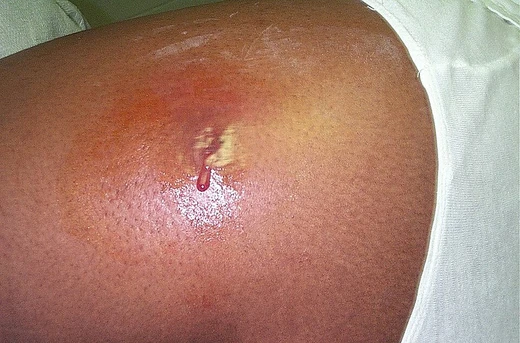
Chickenpox, also known as varicella, is a highly contagious disease caused by the varicella zoster virus (VZV), a member of the herpesvirus family. It results in a characteristic skin rash of small, itchy blisters that eventually scab over, usually starting on the chest, back, and face before spreading. The disease is typically mild in children but more severe in adults, and complications can include pneumonia, inflammation of the brain, and bacterial skin infections.
- caused_by
- Varicella zoster virus (VZV)
- transmission
- Airborne, via coughs and sneezes, or contact with blisters
- incubation_period
- 10–21 days
- symptom_duration
- 5–7 days
Lore & Background
Chickenpox is an airborne disease that spreads easily through human-to-human transmission, typically via coughs and sneezes of an infected person. The incubation period is 10–21 days, after which the characteristic rash appears. It may be spread from one to two days before the rash appears until all lesions have crusted over. The disease can usually be diagnosed based on the presenting symptom, but in unusual cases it may be confirmed by polymerase chain reaction (PCR) testing of blister fluid or scabs. People usually only get chickenpox once, though reinfections occur but typically cause no symptoms.
Reader's Guide
Before routine immunization, the number of cases each year was similar to the number of people born.
Did You Know?
- Chickenpox is caused by varicella zoster virus (VZV), a member of the herpesvirus family.
- Chickenpox was not separated from smallpox until the late 19th century.
The Clinical Experience: From First Dot to Final Scab
Chickenpox announces itself differently depending on the age of the person infected. In adolescents and adults, the illness often begins with a prodromal phase of nausea, diminished appetite, aching muscles, and headache before the hallmark rash emerges. Children, by contrast, typically skip this warning stage entirely; their first visible sign is the appearance of small red dots across the face, scalp, torso, and limbs, or the development of tender sores inside the mouth. Within roughly ten to twelve hours, those initial dots evolve into raised bumps, then fluid-filled blisters, then pustules, before finally drying into umbilicated scabs. The blister stage brings intense, persistent itching, and lesions can appear on the palms, soles, and genital area. Oral ulcers in the throat and tonsil region may show up one to three days before the external rash, or at the same time. Adults tend to develop a more widespread eruption, a longer fever, and a higher likelihood of serious complications such as varicella pneumonia. Most cases resolve on their own within a week or two, though the rash can linger for as long as a month.
Transmission and the Contagious Window
Varicella zoster virus, the agent behind chickenpox, is remarkably efficient at passing from one person to another. As a member of the herpesvirus family, it travels primarily through the air, carried in tiny droplets released when an infected individual coughs or sneezes. The incubation period spans ten to twenty-one days, during which the virus multiplies silently before the rash makes its debut. Crucially, a person is already infectious one to two days before any visible symptoms appear, because watery nasal discharge laden with live virus begins shedding during that window. Contagiousness persists until every blister has dried into a scab, a process that typically takes four or five days. Direct contact with blister fluid is another route of transmission, and a person suffering from shingles can pass chickenpox to someone who has never been immune. In most cases, a clinician can diagnose the disease simply by recognizing the characteristic rash, though polymerase chain reaction testing of blister fluid or scab material can confirm the diagnosis in atypical presentations. Antibody testing serves a different purpose: establishing whether a person already carries immunity. Most individuals contract chickenpox only once, and while reinfection by the virus is possible, it rarely produces noticeable symptoms.
The Vaccine Era and Supportive Care
Since routine immunization became standard practice in many countries, the landscape has shifted dramatically: infections in the United States have fallen by nearly ninety-seven percent. The vaccine shields roughly seventy to ninety percent of recipients from developing the disease, with an even stronger protective effect against severe forms. Administering the vaccine within three days of exposure can still improve outcomes in children who have already been in contact with the virus. For those who do become infected, supportive care remains the mainstay. Calamine lotion eases the relentless itching, keeping fingernails trimmed short reduces the risk of secondary bacterial skin infections from scratching, and paracetamol (acetaminophen) helps bring down fevers. Individuals at elevated risk of complications—such as non-immune pregnant women or those with suppressed immune systems—are typically prescribed antiviral medication like aciclovir.
Historical Roots and the Shingles Connection
One popular theory links the tiny, scattered rash to the pattern of pecks left by a chicken's beak; another suggests the word simply reflected the disease's generally mild character compared to more deadly fevers. For centuries, chickenpox was not even distinguished from smallpox, and it was not until the late nineteenth century that physicians began treating it as a separate entity. This connection carries profound long-term implications: the most common late complication of a childhood chickenpox infection is shingles, which occurs when the dormant virus reactivates decades later. The disease also carries risks that extend far beyond the acute phase. Arterial ischemic stroke linked to a chickenpox infection in the preceding year accounts for nearly one-third of childhood arterial ischemic stroke cases. In pregnant women who lack immunity, infection during the first twenty-eight weeks of gestation can trigger fetal varicella syndrome, with consequences ranging from underdeveloped digits to severe neurological and ocular malformations.
Frequently Asked Questions
Who is Chickenpox?
Chickenpox, also called varicella, is a viral infection brought on by the varicella zoster virus, a member of the herpesvirus family. It is best recognized for producing a signature rash of small, itchy blisters across the skin.
What are Chickenpox's powers/role?
The disease typically presents as a spreading rash of fluid-filled blisters that begin on the chest, back, and face before reaching other areas, accompanied by fever. It tends to run a milder course in children but can hit adults much harder, with risks of pneumonia, brain inflammation, or secondary bacterial skin infections.
How does Chickenpox's story end?
The active blister phase generally lasts about five to seven days, after which the blisters dry out, form scabs, and eventually fall off. Most healthy individuals recover fully, though the virus remains dormant in nerve tissue and can reactivate later in life as shingles.
Why is Chickenpox important?
It is extremely contagious, spreading through airborne droplets from coughs and sneezes or direct contact with blister fluid, with an incubation window of ten to twenty-one days. Its high transmissibility made it a major public-health concern before widespread vaccination became standard practice.
How does Chickenpox spread to new hosts?
Transmission happens primarily through the air when an infected person coughs or sneezes, releasing virus-laden droplets that another person inhales. Direct touching of the blister fluid can also pass the infection to someone who has never been exposed before.
More in Infectious Diseases 1-24
Elsewhere in the Infectious Diseases universe
Spotted an error? Know more?
This is a living reference — every entry is fact-audited, and reader corrections feed straight into our audit queue. Suggest an edit · See this site's audit record